
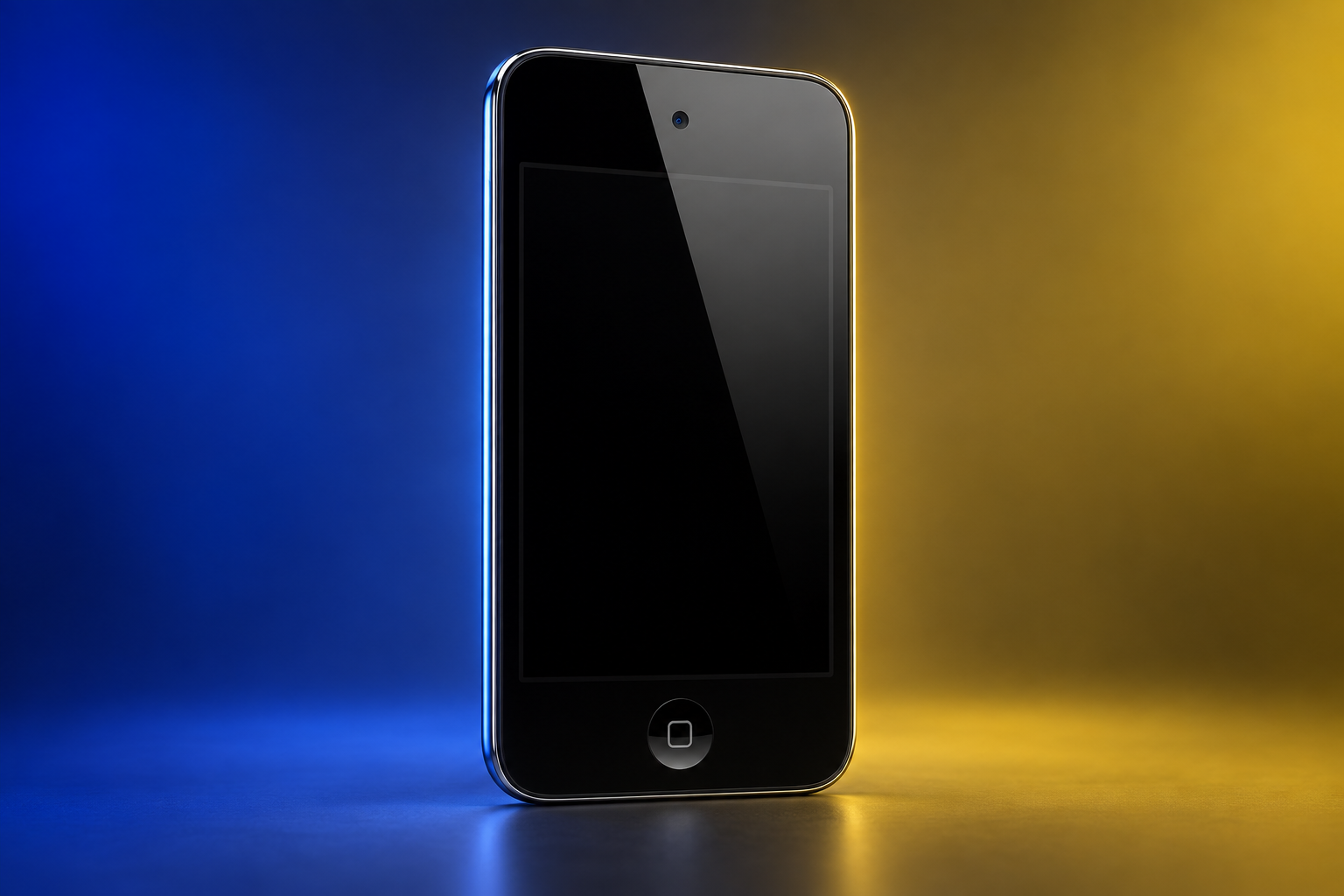
Apple’s September 1, 2010 announcements are a useful snapshot of the moment when portable music players were becoming full app devices. The new iPod touch combined a sharper display, cameras and gaming features in a product that did not require an iPhone contract. This is a historical recap, rather than a live event update.
The changes Apple announced
Apple’s launch release identifies the Retina display, A4 chip, FaceTime, HD video recording, a three-axis gyro and iOS 4.1 with Game Center among the additions. Together, those features gave developers more reasons to treat the iPod touch as an important part of the app audience.
Why this mattered for iPhone apps
An app could be relevant to someone who owned no iPhone at all. A music player in a pocket could also become a camera, a game device or a way to communicate over an available connection. For readers comparing old reviews, that context matters: an article may discuss iPhone and iPod touch together while still requiring features that differ between models.
A higher-resolution screenshot also does not mean that every existing app was immediately redesigned. Device announcements describe hardware and system capabilities; developers still decide how their own software uses them. Keep those two layers separate when reconstructing an app’s history.
Reading the announcement today
Look at the original publication date before using any compatibility statement or price from a 2010 report. This generation can be interesting to collectors and app historians, but an old minimum-system label does not establish modern account or online-service support.
The event’s significance is broader than a specification list: Apple was strengthening a shared software ecosystem across devices. That perspective helps explain why a site devoted to iPhone applications also followed iPod news so closely.