Apple’s second-generation AirTag builds on the original 2021 model with smarter tracking and a few hardware refinements. On the outside, almost nothing has changed. But inside, there are meaningful upgrades that could matter depending on how you use it.
Here’s a clear breakdown of how the new AirTag compares to the first version.
Design and Compatibility
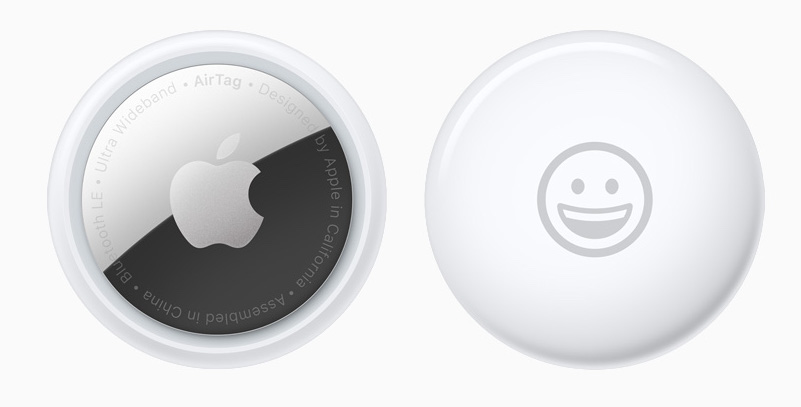
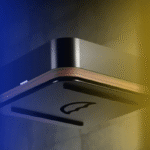
Both models keep the same small, circular design with a polished stainless steel back and white front. They still use a CR2032 coin battery and are rated IP67 for water and dust resistance, according to Apple. That means they can survive splashes and brief submersion.
Accessories remain fully compatible. If you already own key rings, loops, or luggage holders for the first AirTag, they fit the new one as well.
The newer model is slightly heavier, but the difference is barely noticeable in everyday use.
Precision Finding and Range
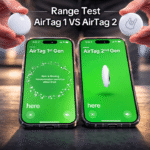
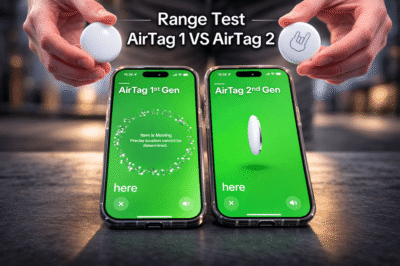
The biggest change is inside. The original AirTag uses Apple’s first Ultra Wideband chip. The new version features a second-generation Ultra Wideband chip.
In practical terms, that means:
- Precision Finding works at up to 50 percent longer range
- Directional tracking feels more responsive
- You can now use Precision Finding from supported Apple Watch models, not just iPhone
If you often rely on the arrow and distance view in the Find My app, this is the upgrade that matters most. It makes locating items in large homes, parking garages, or airports easier and faster.
For basic tracking through the Find My network, both models perform the same. They still use nearby Apple devices to help update location when an item is out of Bluetooth range.
Bluetooth and Privacy
The second-generation AirTag also includes improved Bluetooth with extended range. This helps with quicker detection and more stable connections nearby.
Apple has also increased how often Bluetooth identifiers rotate. That makes unwanted tracking even harder and strengthens privacy protections, which Apple highlights as a core part of AirTag.
Speaker and Alerts
The newer AirTag has a louder built-in speaker. Apple states it can be up to 50 percent louder than before. This makes it easier to hear when it’s inside a backpack, suitcase, or under a couch.
It may sound minor, but in busy or noisy places, the louder tone can make a real difference.
Software Requirements
One important detail: the new AirTag requires a more recent version of iOS. If you are using an older iPhone that cannot update to the latest system, the first-generation AirTag may be the safer choice.
Should You Upgrade?
If you already own the original AirTag, there is no urgent reason to replace it. It still tracks items reliably, supports Precision Finding, and works seamlessly with the Find My network.
If you are buying your first AirTag, the second-generation model gives you:
- Longer Precision Finding range
- Apple Watch support for precise tracking
- Louder alerts
- Slightly improved Bluetooth performance
If you find a first-generation AirTag at a strong discount, it remains a great option for tracking keys, bags, or everyday items around the house.
For most people, both models do the same job well. The new AirTag simply adds more flexibility and range for those who want the most complete tracking experience Apple currently offers.
You can buy the AirTag 2 in a 4-pack for $99 on Amazon.
Also, check out our deep-dive into the AirTag 2.