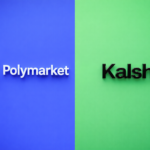
Prediction markets are finding a growing audience on iPhone, offering a different way to trade on real-world events. Two of the most talked about apps in this space are Kalshi and Polymarket. While both let users trade event-based contracts directly from their phones, they take very different approaches.
What These Apps Have in Common
At a basic level, Kalshi and Polymarket work the same way. Traders buy and sell contracts tied to yes or no outcomes such as whether a team will win a game or an economic metric will cross a threshold. Prices move between zero and one dollar, representing the market’s implied probability of an outcome.
Both iPhone apps focus on fast access to markets, clear pricing, and simple order placement. They appeal to users who enjoy trading news, sports, and political events rather than traditional stocks. In both cases, the mobile app is designed to be the primary way most users interact with the platform.
Kalshi on iPhone
Kalshi’s iPhone app is built around regulation and accessibility for U.S. users. It operates under U.S. regulatory oversight and uses standard dollar funding rather than crypto. For many traders, this makes the app feel closer to a traditional financial platform.
The interface is clean and easy to understand, with markets organized by category and prices shown clearly in cents. The main tradeoff is that compliance requirements like identity verification and deposits can feel slower. Fees can also be higher compared to crypto native platforms.
Polymarket on iPhone
Polymarket takes a crypto first approach. Trading is done using stablecoins, and markets are settled on blockchain infrastructure. This often results in tighter spreads and lower trading costs, which can be appealing to active traders.
The iPhone app focuses on speed and market depth, but it assumes some familiarity with crypto concepts. For users new to digital wallets or stablecoins, onboarding can feel more complex. Access for U.S. users may also be more limited compared to Kalshi.
Pros and Cons for Traders
Kalshi’s biggest advantage is regulatory clarity and ease of use for U.S. based iPhone users who prefer traditional funding methods. Its downsides are higher friction during signup and potentially higher costs.
Polymarket stands out for low fees, liquidity, and a wide range of markets, especially for traders comfortable with crypto. The main drawbacks are a steeper learning curve and less regulatory protection.
In a Nutshell
Both Kalshi and Polymarket offer compelling iPhone apps for prediction market trading. Choosing between them depends on whether you value regulation and simplicity or low fees and crypto powered flexibility.
Download Kalshi here: https://apps.apple.com/us/app/kalshi-sports-culture-more/id1632713844
Download Polymarket here: https://apps.apple.com/us/app/polymarket/id6648798962